TL;DR: Meta published open-source firmware and software for building Muse gadgets on Oct. 2, 2026, letting owners connect its Muse agent to ESP32 boards and Raspberry Pi hardware.
Meta released code that lets people build their own hardware for Muse, its personal AI agent, according to The Verge. The release includes open-source firmware and software development kits that connect Muse to owner-supplied displays, buttons, sensors and other components. MorningTick reported the project was published on Oct. 2 under the name Muse Gadgets, with firmware for ESP32 microcontroller boards and a Linux software development kit.
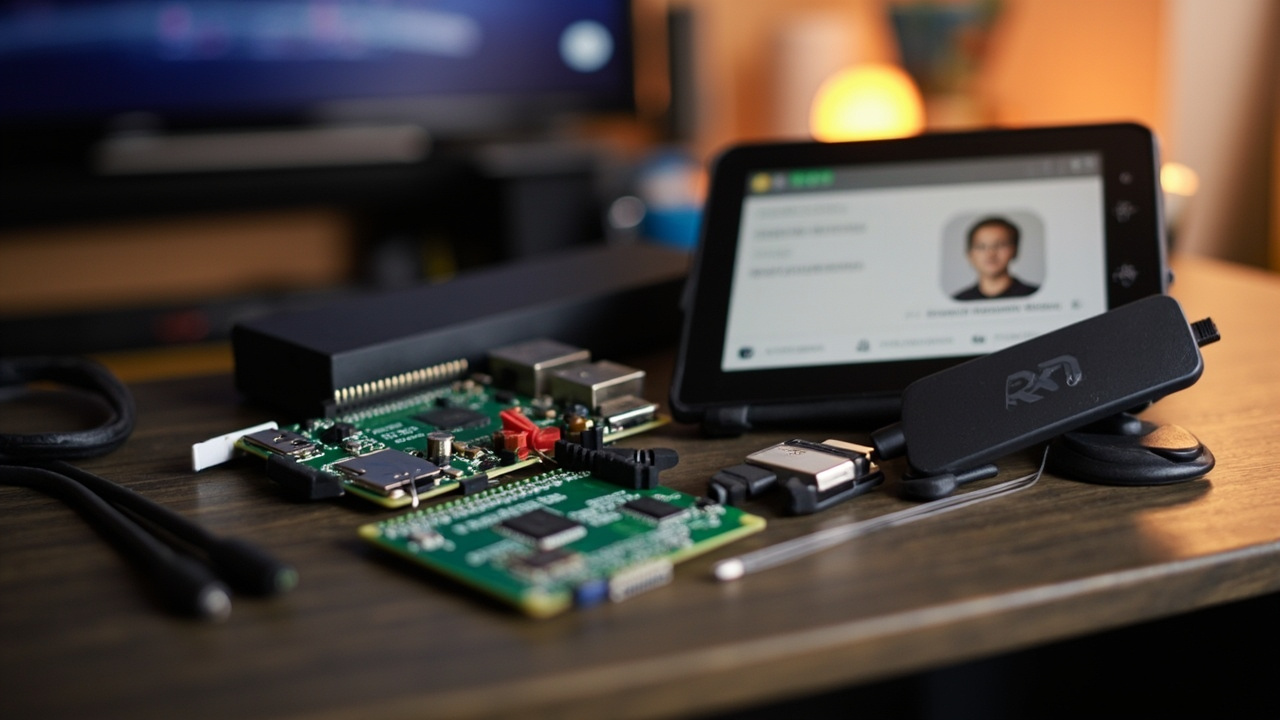
The announcement covers do-it-yourself devices rather than a new Meta consumer product line. Meta describes the resulting hardware as devices users build themselves from off-the-shelf parts, The Verge reported. Suggested projects include loading Muse on a color E Ink display to show reminders, adding it to an HDMI stick for display on a large screen, or putting Muse on a small touchscreen device resembling a DIY version of Muse Charm.
Alongside the code, Meta introduced its own reference hardware called Muse Home Link. The company manufactured 5,000 of the gadgets, according to Meta Superintelligence Labs' Nat Friedman as cited by The Verge, and opened a waitlist ahead of shipping sometime this month. MorningTick reported the units are being given to Muse subscribers in the United States, one per subscriber, while stocks last.
What Meta published on Oct. 2
The Muse Gadgets project contains ESP32 firmware and Linux device software, according to reporting by MorningTick and AI Understanding Editorial. MorningTick identified the public repository as facebookincubator/muse-gadget-sdk. AI Understanding Editorial reported the project is licensed under Apache License 2.0.
The repository is organized into ESP32, Linux and skills directories, MorningTick reported. The ESP32 firmware targets low-cost microcontroller boards with optional screens, audio input and output, and attached sensors. The Linux kit allows a Raspberry Pi or other Linux machine to operate as a gadget and run custom commands.
Meta also published setup documentation and example implementations. MorningTick reported examples for Home Assistant and routine system administration tasks, along with an AGENTS.md file intended so coding agents can work directly in the repository. AI Understanding Editorial reported the repository includes documentation for coding agents and hardware-setup instructions.
The license permits commercial building without additional permission from Meta, MorningTick reported, with named exceptions for some third-party components. Remio reported the ESP32 firmware and Linux device software were released under Apache 2.0, describing ESP32 as a family of low-cost microcontrollers used for connected electronics.
What people can build with the kits
Meta points builders to common hobbyist hardware and household displays. The Verge reported Meta suggests using the code to load Muse on a color E Ink display for reminders, add it to an HDMI stick for a big screen, or install it on a small touchscreen device.
MorningTick listed several third-party boards named in the documentation: a Waveshare ESP32-S3 touchscreen, the Seeed reTerminal E1002, M5Stack StickS3 and the Home Assistant Voice Preview Edition. The same report said suggested builds range from color E Ink displays to an HDMI stick that places Muse on a television.
Remio reported additional suggested projects include an E Ink reminder display, a pocket assistant and an HDMI stick that puts Muse on a television. That report described one example combining Muse with a color E Ink screen for morning briefings, reminders and shopping lists, noting that E Ink retains an image without constant power.
The kits support more than screens. Meta says builders can program an off-the-shelf ESP32 board or set up a Raspberry Pi with its SDKs, then connect Muse to displays, buttons, sensors, actuators and other workbench components, according to The Verge. Remio reported the software lets hardware exchange information with Muse, including adding a display for images, connecting audio input and output, attaching physical controls or wiring in sensors. A Linux device can also expose custom commands for local applications and system administration, the same report said.
One HDMI-stick concept remains a proposal rather than a finished reference design. Remio reported Meta lists that HDMI television project as coming soon.
How pairing and developer mode work
A completed gadget does not operate independently. AI Understanding Editorial reported users must obtain an SDK token and agree to Gadget SDK terms. Pairing requires enabling Developer mode in the Muse mobile application on iOS or Android, where devices appear under the MuseGadget prefix.
MorningTick gave the same sequence: a gadget needs an SDK token and must be paired through the Muse mobile app after switching on developer mode, after which it appears with a MuseGadget prefix. Remio likewise reported users must enable developer mode, obtain an SDK token and add the gadget through the app's device settings.
The pairing requirement preserves an account link to Meta. Remio reported the process preserves Meta's account relationship even when the physical interface comes from an independent builder. MorningTick reported every gadget built with the kit needs a Muse account because the intelligence runs on Meta's infrastructure rather than on the board; the firmware handles the screen, microphone and sensors while the agent, model and subscription remain with Meta.
Meta presents the project as experimental. The Verge quoted Meta's caution to "Proceed at your own risk!" MorningTick reported Meta labels the project experimental and warns builders about bricked boards and voided warranties. AI Understanding Editorial reported Meta says the project is intended for hackers and warns users assume risks including hardware damage or warranty invalidation.
What Muse Home Link does
Muse Home Link is Meta's own gadget built with the same initiative. The Verge reported that with Home Link, users employ community-built skills to have Muse "turn on a light, control your TV, send a document to a printer, and more, depending on your setup."
The device connects Muse to equipment reachable over a home network. MorningTick described Home Link as a USB-C powered dongle that connects Muse to a home network so it can reach televisions, speakers and anything exposing an HTTPS interface, including locally hosted APIs.
Availability is limited. The Verge reported Meta manufactured 5,000 gadgets, citing Meta Superintelligence Labs' Nat Friedman, and is offering a waitlist spot before shipping sometime this month. MorningTick reported the company built 5,000 units for Muse subscribers in the United States, one each, shipping this month while stocks last.
Home Link therefore demonstrates one use for community skills rather than covering all smart-home protocols. MorningTick reported the connectivity model uses HTTPS and the examples lean on Home Assistant, reaching devices already exposing a network interface. Remio reported a Raspberry Pi project connects the agent with Home Assistant and other Linux applications.
Why Meta kept the agent in its cloud
Meta released device software but not the underlying Muse service. Remio reported Meta released the device software but not the Muse agent or its cloud service, with access still requiring an SDK token, a Muse account and compliance with restrictions. MorningTick similarly reported the firmware handles local inputs and outputs while the agent and model operate on Meta's infrastructure.
That structure means an owner-built display or controller remains dependent on Meta's service. AI Understanding Editorial reported that while the code is open, agent connectivity remains tied to Meta's infrastructure, a dependency users should consider for long-term projects. MorningTick identified three related dependencies: pricing, terms and feature availability can be changed by Meta; Muse is United States only at present; and each unit needs a customer with a Muse account for the hardware to function.
The release arrived less than one month after Muse launched, Remio reported. MorningTick reported Muse arrived on Sept. 8, running on a Meta model called Muse Spark, with a free tier and subscriptions at $20 and $100 a month, available in the United States on iOS, Android and the web. The same report said each user's agent runs in its own virtual machine with a monitoring layer called Sentinel that holds back actions needing approval.
Meta expanded Muse to small businesses on Sept. 29 with connections to Shopify, Stripe, QuickBooks, Slack, Notion and other services, MorningTick reported, one day after establishing a Meta Enterprise Platform division under Chirantan Desai, formerly chief executive of MongoDB. Hardware is described in that report as the third front in the month-old product push.
For device makers, the immediate question is compatibility and support rather than permission to use the code. The repository documentation names specific ESP32 and Linux boards, the pairing flow requires the Muse mobile app, and Meta warns of hardware risk, according to MorningTick, AI Understanding Editorial and The Verge. Community projects and hardware extensions are expected to appear in the project's Discord, AI Understanding Editorial reported, with users advised to watch Gadget SDK Terms for changes affecting data use or token expiration.
Sources referenced
- Meta open sources code to let you make Muse AI gadgets | The Verge (https://www.theverge.com/tech/1004330/meta-muse-ai-gadgets-home-link)
- Meta Open-Sources Muse Code To Get Its Agent Into Devices (https://morningtick.com/post/meta-open-sources-muse-code-agent-into-devices/)